
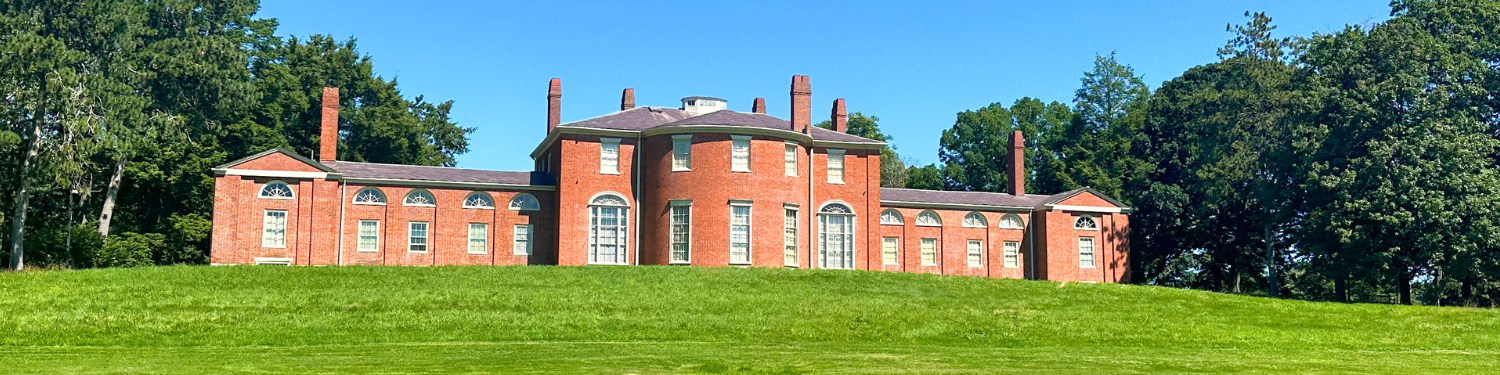
Gore Place’s History
Located just nine miles west of Boston and less than half a mile from the Charles River, Gore Place has a long and fascinating history that spans centuries. Founded in 1935 to preserve and promote the historic country estate of Christopher and Rebecca Gore, Gore Place is a museum, working farm, and community resource that tells the story of early nineteenth-century American life. Explore this page to learn more about our unique history!
Who Lived Here?
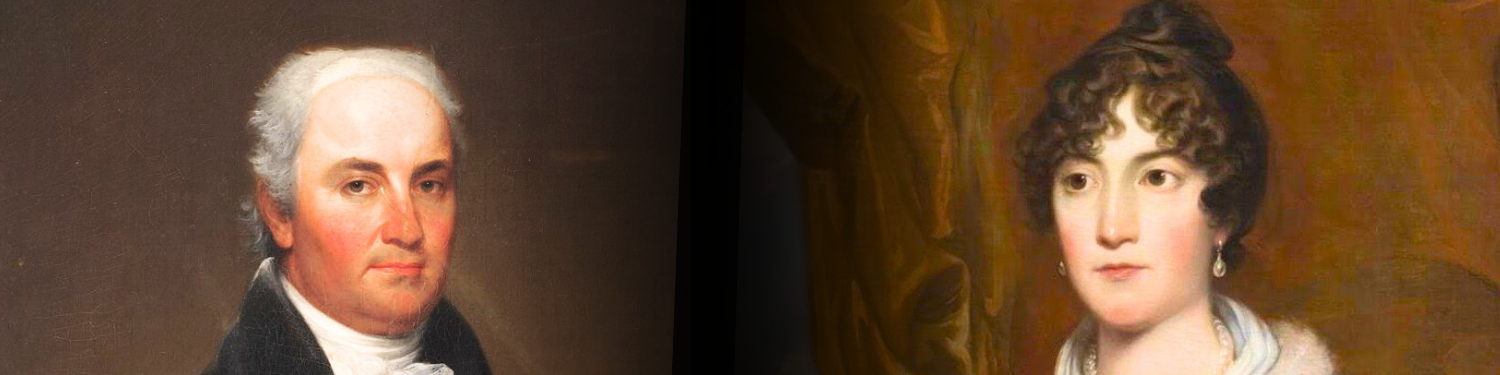
Gore Place has been inhabited for at least four centuries. The Nonantum and Pequossette tribes fished, hunted, and raised crops in this area, and when they ceded this land to English colonists in 1630, the Reverend George Phillips—one of the founders of Watertown—chose this parcel to build his home. Since then the property has had a number of owners, most notably Christopher and Rebecca Gore, and author and abolitionist, Robert Roberts.
After Rebecca died in 1834 the house was sold to Boston Mayor Theodore Lyman, Jr., who added a floral garden and farmhouse to the property. Over the next century, the estate passed through a number of owners, including John Singleton Copley Greene—grandson of John Singleton Copley, the famous painter—before it faced demolition in 1935. Gore Place Society was founded in May of 1935 to save the historic estate, and it continues to preserve the property today as a museum, working farm, and community resource.
WHO WERE THE GORES? WHO WAS ROBERT ROBERTS? TIMELINE OF GORE PLACE
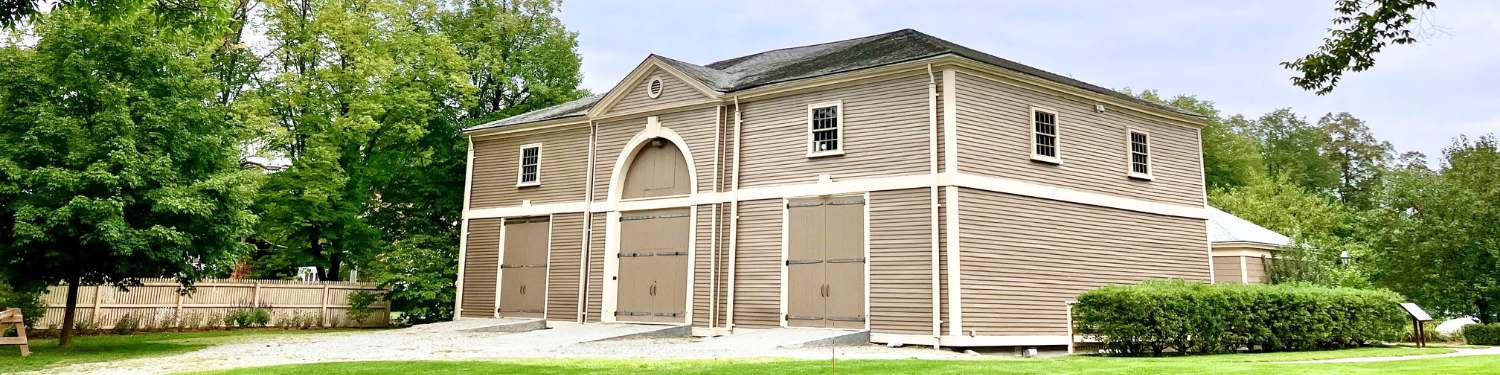
The 1806 Mansion and 1793 Carriage House
The Gores first purchased this land in 1786. The property included a house and a carriage house, and while the former burned to the ground a decade later, the Carriage House is still standing today just beside its original location.
The famous brick house, now referred to as the "mansion," was completed in 1806. The Gores turned the property into one of the most beautiful and well-known estates in New England, which was visited by notable guests such as James Monroe, John Quincy Adams, and Daniel Webster while Christopher served as Governor of Massachusetts and later as a U.S. Senator.
The Gores’ Carriage House was built in 1793. The building was an important part of the estate, as it housed carriages, horses, and stored a range of equipment including harnesses, saddles, bridles, and other tack. Hay and grain were also stored in the Carriage House, and the cellar was utilized to make compost for fertilizing fields.
OUR HISTORIC BUILDINGS TAKE A TOUR OF OUR 1806 MANSION
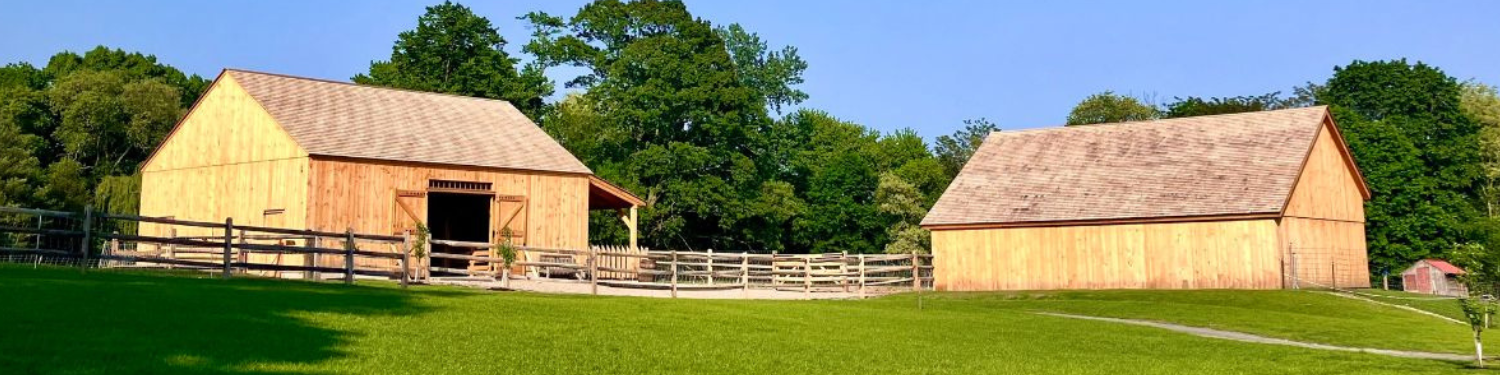
The Farm at Gore Place
Explore the pages below to learn more about the present-day working farm at Gore Place, the animals we raise, the crops we grow, the early 19th-century history of the Farm, and how Gore Place continues to preserve and tell the story of this historic landscape and its agricultural traditions.
OUR ANIMALS AND CROPS OUR FARM’S HISTORY
THE FARM AT GORE PLACE OUR FARM’S MISSION

Over 50 Acres of Open Space
Our beautiful 50 acres are open every day from dawn to dusk unless there is a special event. There is no admission fee to visit our grounds and we offer ample free on-site parking.
VISIT OUR FARM + TRAILS SEE OUR PROPERTY MAP PLAN YOUR VISIT TO GORE PLACE

Get Involved!
Learn about volunteer options, or become a member to help support our Museum and Farm programs!
Interested in our programs and events?
See "What's On" at Gore Place, or subscribe to our email newsletter.